
Experience is said to be the best teacher, but online shopping has taught many of us some tough lessons. You’ve probably heard of the term: “what I ordered versus what I received.” (Oh no!) It’s frustrating, right? The good news is that there are simple steps to avoid scams and inferior products. By examining the product and communicating with the seller, you can shop safely and get what you paid for.
Table of Contents
Let’s break it down step by step.
Brand Name

Most products sold on Facebook and other social media platforms fall into two categories:
- Branded products from well-known companies like Samsung, Apple, LG, and Sony (Oh yes, we’ve all heard of those!).
- Unbranded or Chinese brands, which are popular because they are affordable.
Why do so many sellers offer Chinese products?
- Importing branded items is expensive. Small businesses (like mini-importers) often don’t have the capital to stock big-brand products.
- Sourcing from China gives sellers a chance to find affordable products from numerous manufacturers.
- Customer buying power: Not everyone can afford expensive branded items, so sellers target customers with lower-cost alternatives.
Fun fact: Isn’t almost everything in the world made in China today? (Okay, that’s a bit of an exaggeration, but it’s almost true!)
A Story Worth Learning From
Let me share a funny story. A colleague of mine once came across a pair of “AirPods” (Apple earbuds) that usually sell for 90,000 Naira but were listed for just 19,000 Naira. He had his doubts (Hmm… suspicious!), but the price was too tempting to ignore. So he went for it.
Guess what happened? (Oh no, brace yourself!)
When the product arrived, it was an obviously fake and super low-quality copy. He was so disappointed that he rejected it immediately. Moral of the story? If the price is too good to be true, it probably is!
Product Specifications
Check the Details Carefully
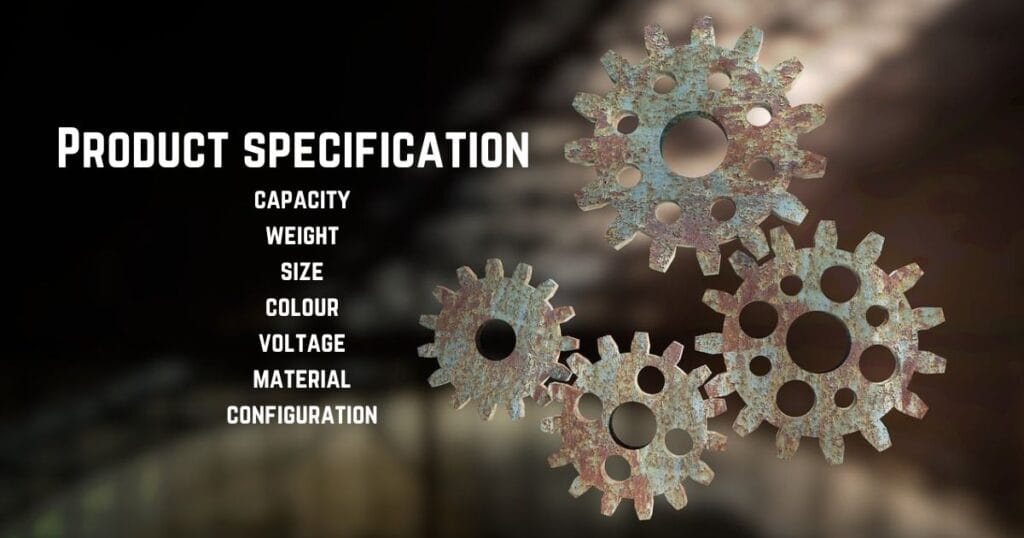
Before you buy, always check the product specifications carefully. These details include:
- Features (What does it do?)
- Size (Will it fit your needs?)
- Color (Is it what you want?)
During the purchase process, make it a habit to ask the seller about these details. Here’s a simple step-by-step:
- Make a call or send a message to the seller.
- Ask them to explain the product’s features.
- Compare what they say with what is written on the sales page or shown in the product photos.
If something feels off, pause! It’s better to confirm before buying.
Request Real-Life Photos
Edited or stock images might not show the real product. As a savvy shopper, ask for real-life or organic images of the product. This way, you can confirm:
- The true color (filters can be deceiving!)
- The actual size
- Other key features
Chinese Brands: Are They Really That Bad?
Let’s clear the air! Not all Chinese products are bad. In fact, most items in the global market today are made in China. Here’s what you need to know:
- China produces products in different grades. The same product might have 4 different versions — each with a different quality level.
- Some manufacturers have official licenses to make products, ensuring good quality.
- Other manufacturers (without licenses) create low-grade copies.
So who’s to blame for poor-quality Chinese products? Most of the time, it’s the importers who choose cheap versions to save money and maximize profits. (Sigh!)
A Better Alternative
Businesses like Solution-Hub Enterprise source their products from licensed manufacturers. This ensures:
- Good quality
- Standard products
We take pride in the items we sell because we trust their quality. That’s why customers keep coming back! (Oh, we love happy shoppers!)
Questions to Ask the Seller
Before making a purchase, ask these basic questions:
- Is it a good Chinese brand?
- Do you use it yourself?
- How long have you been selling this product?
- What is your return policy?
- Does it have a fragile build?
If the seller can answer confidently, you’re on the right track. If not… well, that’s your cue to walk away! (Bye-bye, scammer!)
Final Tips for Smart Shopping on Facebook
Shopping on Facebook can be fun and affordable, but you need to be careful. Remember these tips:
- Look for clear and detailed descriptions.
- Always check the product specifications.
- Verify images and ask for real-life photos.
- Be cautious of unbelievably low prices.
- Ask important questions before placing your order.
With these steps, you can avoid scams and find products that are worth your money. Happy shopping!
Suggested References
Our Latest Post For You
- LOAN APPS IN NIGERIA: OUR OWN VERSION OF CREDIT CARDS – ARE THEY GOOD FOR BUSINESS OR NOT?
 Can These Loans Be Used as a Source of Funds and Capital… Read more: LOAN APPS IN NIGERIA: OUR OWN VERSION OF CREDIT CARDS – ARE THEY GOOD FOR BUSINESS OR NOT?
 - THE NAIRA FOR NAIRA MENTALITY: WHY RAISING CAPITAL FOR BUSINESS IS HARD IN NIGERIA
 Why People Expect a Naira for a Naira Why the Wealthy Think… Read more: THE NAIRA FOR NAIRA MENTALITY: WHY RAISING CAPITAL FOR BUSINESS IS HARD IN NIGERIA
 - PAYMENT ON DELIVERY VS PAYMENT BEFORE DELIVERY: WHICH ONE IS BETTER?
 What Is Payment on Delivery (POD)? Advantages of Payment on Delivery Advantage… Read more: PAYMENT ON DELIVERY VS PAYMENT BEFORE DELIVERY: WHICH ONE IS BETTER?
 - 7 Reasons Why Product Replacement is a Major Challenge for Nigerian Sellers
 Product replacement is a critical issue that many Nigerian sellers face every… Read more: 7 Reasons Why Product Replacement is a Major Challenge for Nigerian Sellers
 - THE BEST 10 WAYS YOU CAN BE A GOOD CUSTOMER
 1. Need the Product You Order 2. Know the Product You Order… Read more: THE BEST 10 WAYS YOU CAN BE A GOOD CUSTOMER