
In the world of online shopping and e-commerce, the question of Payment on Delivery (POD) or Cash on Delivery (COD) vs. Payment Before Delivery (PBD) is a major concern for both sellers and buyers. Each method comes with its advantages and disadvantages, influencing the overall shopping experience.
Understanding the key differences between these payment options helps both sellers and customers make better decisions. Let us explores the two payment methods, their pros and cons, and which one is more suitable for different business models.
Table of Contents

What Is Payment on Delivery (POD)?
Payment on Delivery, also known as Cash on Delivery (COD), is a payment method where customers pay for a product only after receiving it. The payment can be made in cash or via electronic means such as POS machines, mobile transfers, or QR codes. The savvy shopper’s guide to avoiding scams and finding quality products on Facebook show you relevant steps that are helpful in avoiding scammers.
Advantages of Payment on Delivery
| Advantage | Explanation |
|---|---|
| Builds Trust | Customers feel more secure as they can inspect the product before paying. |
| Encourages More Sales | Many customers prefer POD because they do not have to risk their money upfront. |
| Reduces Online Fraud | Customers do not have to worry about online scams, as they only pay upon receiving the product. |
| Faster Processing | Sellers speed up to avoid a change of heart from impulse buyers which is common to delayed delivery. |
| Keeps the Seller Active | The seller stays in contact with the customer and ensures the delivery is successful |
| Product Quality is Ensured | to avoid product rejection or unsuccessful delivery, seller sells good product |
| Eliminates Refund | There is no need for refund since customers can decided not to pay for the order. |
Disadvantages of Payment on Delivery Heading
| Disadvantage | Explanation |
|---|---|
| Higher Risk for Sellers | Some customers reject the product upon delivery, causing losses for the seller |
| Logistics Challenges | Delivery agents must handle payments, which increases security risks |
| Longer Cash Flow Cycle | Businesses do not receive payments immediately, which can slow down operations. |
| Double Investment | The seller spends on both product and logistic in the process of delivery |
| Costumers Carefree Attitude | Since payment has not been made.. some costumers are carefree about the order |
| Required More Effort From Seller | Since the seller has not received payment, he has to put in much work to ensure successful delivery |
| Payment Decline | Electronic transfer issue my cause delays in payment at the point of delivery |
What Is Payment Before Delivery (PBD)?
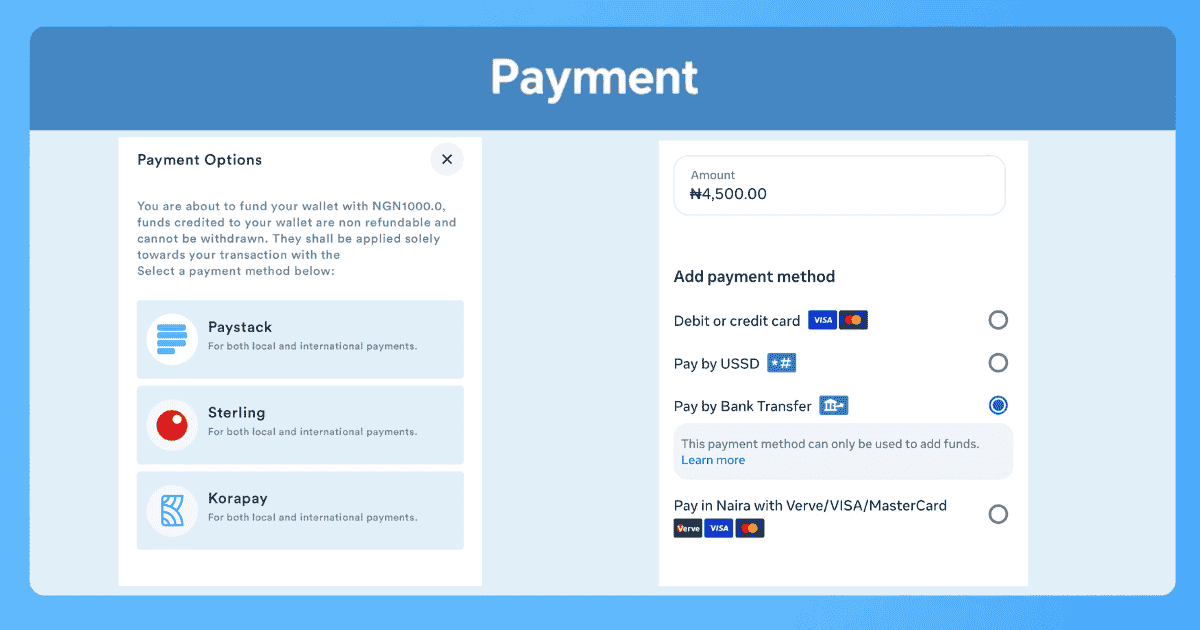
Payment Before Delivery is a method where customers must pay for a product before it is shipped or delivered. Amazon, eBay, AliExpress operate the payment before delivery model. Jumia, Jiji and Konga operate a mixed model which accept POD and PBD. Customers can pay via bank transfers, debit/credit cards, mobile wallets, or online payment platforms.
Advantages of Payment Before Delivery
| Advantage | Explanation |
|---|---|
| Slower Processing | Generally order processing is slower except on planforms with penalties for delayed shipping |
| Reduced Logistics Hassle | No need for delivery agents to collect cash or verify payments. |
| Minimized Risk of Product Returns | Customers who pay before delivery are less likely to reject or cancel their order. |
| Customers Anticipates Order | Since the costumer’s hard earned money is involved. They look forward to getting their order. |
| Both Parties Show Concern | The seller and buyer ensure the product is delivered. |
Disadvantages of Payment Before Delivery
| Disadvantage | Explanation |
|---|---|
| Trust Issues | Customers may hesitate to pay upfront due to fear of fraud. |
| Potential Refund Delays | If a customer needs a refund, it might take time, leading to dissatisfaction. |
| Limited Buyer Protection | Customers who do not receive their order may struggle to get their money back. |
| Reduced Orders | Skeptical costumers would not make the order because it is not payment on delivery |
| Payment gateway commissions | There a little amounts attached to online payments that are not applicable in the direct payment obtainable via POD |
Comparison Table: Payment on Delivery vs Payment Before Delivery
| Feature | Payment on Delivery (POD) | Payment Before Delivery |
|---|---|---|
| Trust Levels | High for buyers, low for sellers | High for sellers, low for buyers |
| Risk of Fraud | Lower for buyers, higher for sellers | Higher for buyers, lower for sellers |
| Processing Speed | Faster due the negative effect of delayed delivery on delivery success | constant as payment is confirmed before shipping |
| Logistics Complexity | More complex due to handling cash | Simpler as payment is already received |
| Likelihood of Order Cancellation | Low, since customers are financially committed | Simpler as payment is already received |
| Number of Orders | Higher due to the low risk for buyers | lower due to the higher risk for buyer |
Which Payment Method Is Better?
Both payment methods have their strengths and weaknesses, and the best choice depends on the business model and customer preferences. It is go to know the pros and cons of the payment on delivery system of Facebook business in Nigeria.
When to Use Payment on Delivery:
✅ When dealing with first-time customers who may not trust your brand.
✅ When selling physical products that customers may want to inspect before paying.
✅ When targeting regions where online payment adoption is low.
When to Use Payment Before Delivery:
✅ When running an e-commerce store with a strong reputation and trust.
✅ When selling digital goods or services that require pre-payment.
✅ When aiming for faster order processing and reduced logistics costs.
Conclusion
There is no one-size-fits-all solution when it comes to Payment on Delivery vs Payment Before Delivery. Sellers must consider their risk tolerance, logistics capacity, and target audience. Customers, on the other hand, should evaluate the credibility of the seller before choosing a payment method.
To strike a balance, some businesses offer a hybrid approach—allowing trusted customers to pay on delivery while requiring new customers to prepay. As technology improves, digital escrow services are also becoming a great alternative, ensuring both parties are protected.
What is your preferred payment method? Let us know in the comments! 🚀
You Should Read These
- 7 Reasons Why Product Replacement is a Major Challenge for Nigerian Sellers
 Product replacement is a critical issue that many Nigerian sellers face every… Read more: 7 Reasons Why Product Replacement is a Major Challenge for Nigerian Sellers
 - ALL TERRAIN MULTIPURPOSE STAIRS CLIMBING CART
 What is the Difference Between a Cart and a Trolley? Key Differences… Read more: ALL TERRAIN MULTIPURPOSE STAIRS CLIMBING CART
 - Clothes Dryer: The Foldable Clothes Dryer
 The Need for a Clothes Dryer Reasons Why You Need a Clothes… Read more: Clothes Dryer: The Foldable Clothes Dryer
 - How to Source for the Best Products in China
 China has become a global hub for product manufacturing, offering a wide… Read more: How to Source for the Best Products in China
 - LOAN APPS IN NIGERIA: OUR OWN VERSION OF CREDIT CARDS – ARE THEY GOOD FOR BUSINESS OR NOT?
 Can These Loans Be Used as a Source of Funds and Capital… Read more: LOAN APPS IN NIGERIA: OUR OWN VERSION OF CREDIT CARDS – ARE THEY GOOD FOR BUSINESS OR NOT?