China has become a global hub for product manufacturing, offering a wide range of items at competitive prices. However, finding the best products from reliable manufacturers can be tricky if you don’t know the right steps. You could easily end up with counterfeited product or overpriced product and think you have got a good deal. Don’t worry; we’ve got you covered with this comprehensive guide on how to by products from China.
Contact Multiple Factories or Sellers
When sourcing products in China, never settle for just one manufacturer or seller. It is actually common sense not to bank on just one manufacturer. Remember customer is king and you will get the king treatment from any manufacture or seller who is willing to do good business.
Why Contact Multiple Sellers?
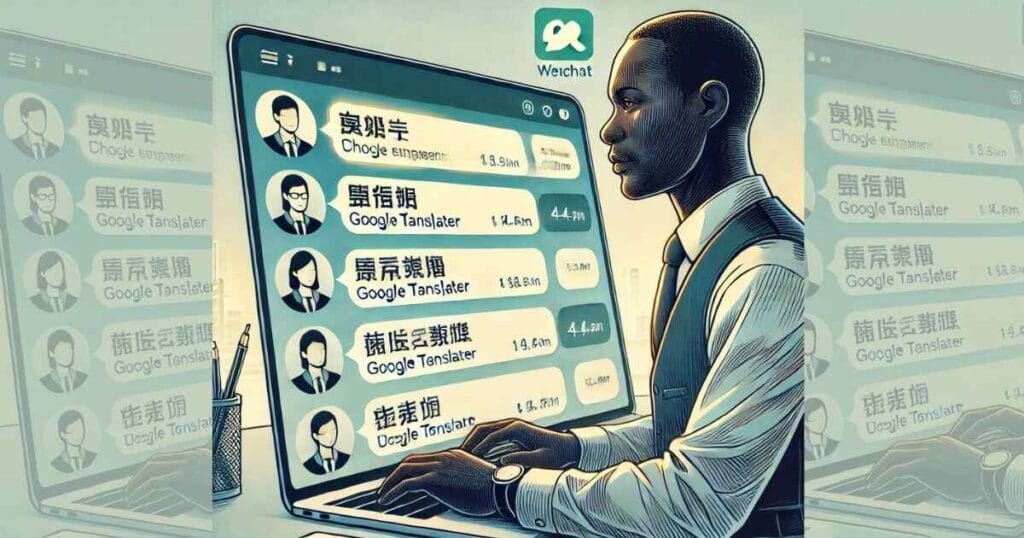
- Different sellers offer varied product quality and pricing.
- You can assess their responsiveness and customer service.
- It gives you a pool of options to choose from.
Take your time to reach out to multiple factories and gather enough information before making a decision. Oh, and don’t hesitate to ask questions like, “How long have you been in business?” or “Can you provide references?” or “Do you have a patent for this product” or “Is this a copy or the origin thing”.
Inquire for Product Patent
When buying products, especially unique or branded items, ask about their patent rights.
Why Does This Matter?
A patented product ensures that the design, technology, or material is legally protected. This avoids any legal troubles for you if you plan to resell the items.
Another advantage of a patent is that the patent gives the producer the right to use the original design and this ensure that what he makes is standard. When the producer has no patent, chance are he might no have the origin design and would have to cut corners in order to produce the product thereby leading to the production of inferior product.
What to Do:
- Ask for documentation proving the product’s patent registration.
- Be cautious if the seller cannot provide this information.
Check the Certifications of the Manufacturer
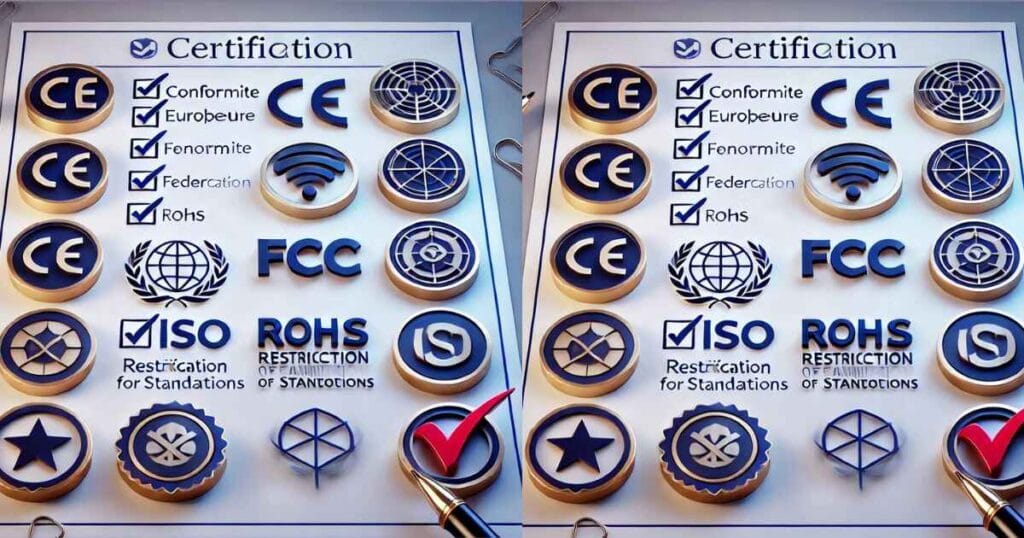
A legitimate manufacturer in China will have the necessary certifications to prove their quality and standards. Some manufacturers have their certificate on the website and other go as far as adding details of the factory.
Common details about the factory to consider:
- Factory size
- Number of Staff
- Year of being in operation
- Customer Reviews
- Market place ratings or ranking
Key Certifications to Look For:
- ISO Certificates: These confirm that the factory adheres to international manufacturing standards.
- CE Marking: Especially important for electronic or medical devices.
- FCC Approval: Needed for electronic products entering certain markets.
Most of the certification would be in Chinese and China based certifications. These are also relevant. You can easily translate them via google image translate to see what they are about.
You should always request copies of these certifications. If possible, verify them online or through regulatory bodies.
Check the Address and Factory Size

A legitimate manufacturer will have a physical address and a factory of a reasonable size.
Why This is Important:
- Small factories might not handle large orders or complex products efficiently.
- Visiting a factory (or having an agent do so) ensures the company is real.
Ask for images, videos, or a live tour of their factory. This will help you evaluate their production capacity and reliability.
Request Product Testing
Always check the quality of the product before placing bulk orders.
How to Test Products:
- Request product samples to evaluate their quality.
- Test the products for durability, functionality, and appearance.
- Ensure the samples meet your required specifications.
If the sample is of poor quality, it’s likely that the bulk order will be the same.
Compare Prices from Different Producers
Don’t get carried away by the first quote you receive.
Steps to Compare Prices:
- Request quotes from at least 3–5 manufacturers.
- Analyze their pricing and what it covers (e.g., shipping, packaging).
- Beware of prices that are too low—they could indicate low-quality products.
By comparing, you’ll find the best balance between price and quality. The overall prices of products sold online are affected by general cost of purchasing products form the producer.
Check Customer Reviews

Customer feedback is a goldmine of information. The more the number of review the better the information available to you via the reviews. In certain case you can filter the reviews by the number of stars that customer gave to the product or the factory.
Where to Find Reviews:
- Manufacturer websites.
- Online marketplaces like Alibaba, Amazon, eBay, or Global Sources.
- Third-party review platforms.
What to Look For:
- Positive reviews about quality and timely delivery.
- Complaints about defective products or poor communication.
Pro Tip: Focus on patterns in the reviews rather than isolated comments. Some review are spammy or bots reviews and others are staged. This is why you need to scroll through and be sensitive to what they are saying.
Bargain for the Best Prices

In China, bargaining is almost always expected! No prices are fixed. It is not a super store with price tags. This is why you need to communicate with the sellers. Often time, they may come off as rigid, no willing to adjust the prices. This should not stop you for bargaining especially if they you are looking to make a large order.
Tips for Negotiating:
- Be polite but firm during negotiations.
- Offer to place larger orders in exchange for discounts.
- Request better deals for long-term partnerships.
Negotiation often leads to reduced costs without compromising on quality—so don’t shy away from it!
Conclusion
Sourcing the best products in China requires patience, research, and communication. By following these steps—contacting multiple factories, verifying certifications, comparing prices, and testing products—you can find reliable manufacturers who deliver quality at the right price.
Remember, good business relationships are built on trust and due diligence. Take your time, follow the steps, and you’ll be on your way to a successful sourcing experience! For more information, you can visit
Global Sources: Sourcing Tips
Our Latest Post For You
- LOAN APPS IN NIGERIA: OUR OWN VERSION OF CREDIT CARDS – ARE THEY GOOD FOR BUSINESS OR NOT?

- THE NAIRA FOR NAIRA MENTALITY: WHY RAISING CAPITAL FOR BUSINESS IS HARD IN NIGERIA

- PAYMENT ON DELIVERY VS PAYMENT BEFORE DELIVERY: WHICH ONE IS BETTER?

- 7 Reasons Why Product Replacement is a Major Challenge for Nigerian Sellers

- THE BEST 10 WAYS YOU CAN BE A GOOD CUSTOMER