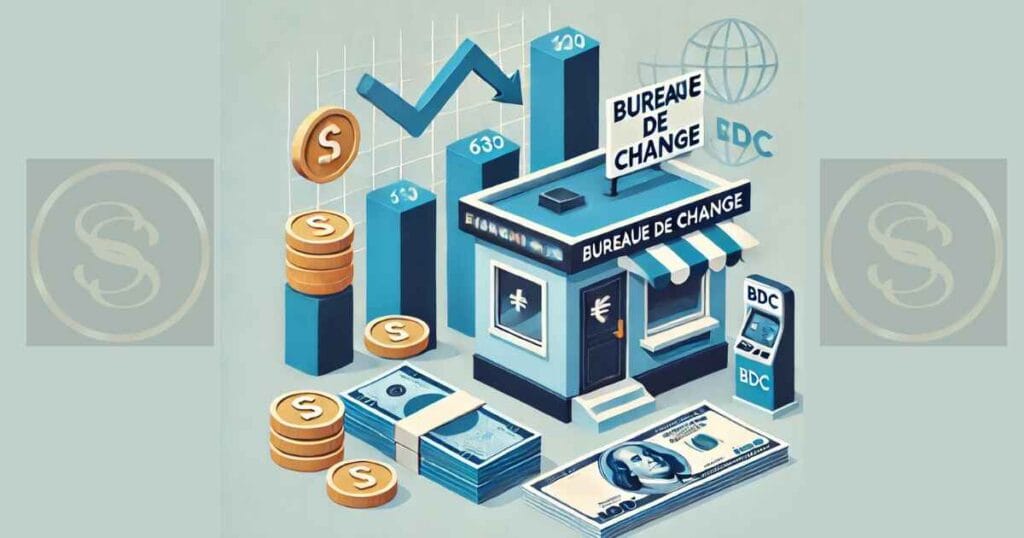
In recent years, shopping online in Nigeria has become increasingly popular. However, many shoppers have noticed that the prices of products sold online keep rising. Why is this happening? There are several reasons behind this trend, ranging from the devaluation of the naira to increased operational costs. Let’s dive into the factors contributing to this issue.
Devaluation of the Currency
The devaluation of the Naira, Nigeria’s currency by the Central Bank of Nigeria, has significantly impacted online product prices. When the value of the Naira falls compared to major currencies like the US dollar, imported goods become more expensive. This is because sellers need more naira to purchase the same amount of goods from abroad.
- For example, if a product cost $100 when the exchange rate was 400 Naira per dollar, it would cost 40,000 Naira. But if the rate rises to 800 Naira per dollar, the same product now costs 80,000 Naira! Currently the rate has risen to as high as 1,700 per dollar. This only means that $100 is now equivalent to 170,000 Naira!
Exchange Rate
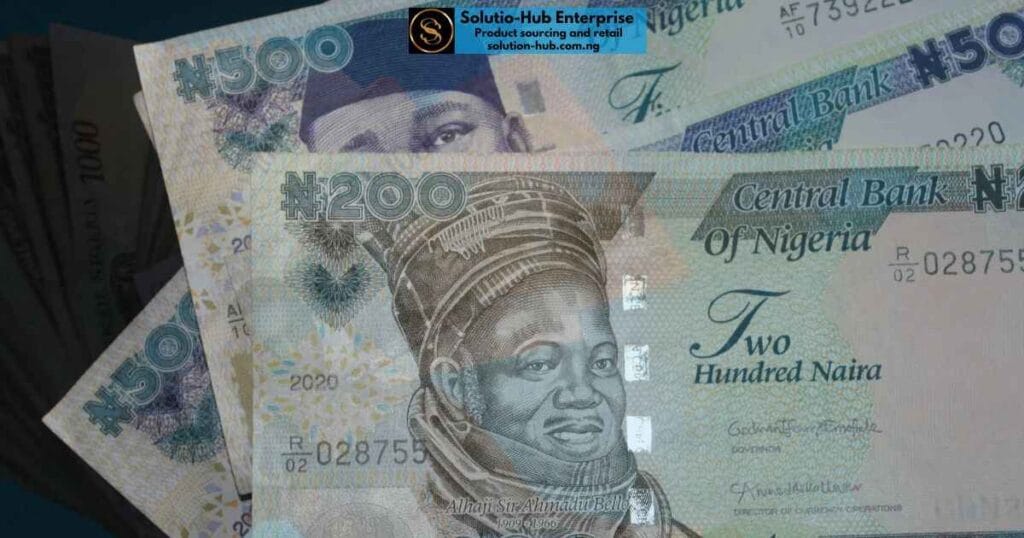
The exchange rate volatility in Nigeria is another major factor. Most online sellers depend on foreign suppliers to stock their products. Since transactions with these suppliers are usually done in dollars, any fluctuation in the exchange rate directly affects the cost of goods.
China is the major source of products on the market in any part of the world. When buying products from China, the transaction is done with the Chinese Yuan (RMB). The exchange rate for these transactions can still be narrowed down to the dollar equivalent in the market. Not the the market but the black market.
“It’s frustrating,” many sellers might say. “One day the exchange rate is stable, and the next, it’s through the roof!”
When the exchange rate is unstable there is a major doubt on the mind of sellers like solution-Hub Enterprises. Uncertainty is no good for business at all. A swift change in the exchange rate can affect the entire market. This can cause great losses and prices might for below reasonable limits.
Sourcing for the Dollar

In Nigeria, sourcing for dollars is no easy task. With restrictions on foreign exchange by the Central Bank of Nigeria (CBN), businesses often turn to the black market to get dollars at much higher rates. This additional cost is then passed on to customers in the form of higher prices.
The official exchange rate in way lower that what is offered in the black market. Even with the floating of the naira there are still imbalances in the market and the dream of a synchronized exchange rate, remains a dream. This is why mini and major importers source products at high prices and this affects the selling price of the items in the market.
Shipping Fees
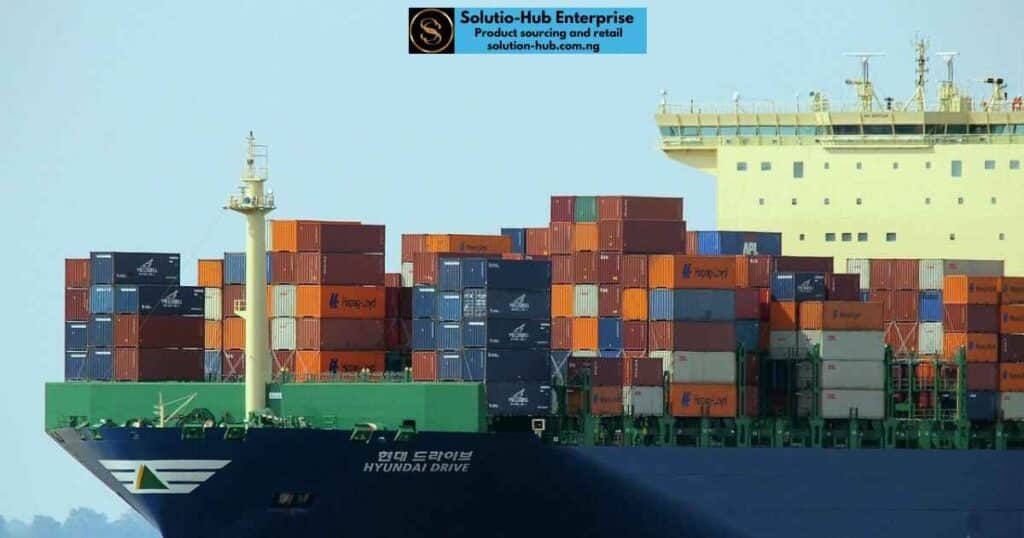
Shipping fees have also gone up, both locally and internationally. Importing goods from other countries has become more expensive due to:
- Rising fuel costs for cargo ships and planes.
- Increased fees imposed by shipping companies.
- Global supply chain disruptions, especially since the COVID-19 pandemic.
When shipping costs increase, sellers have no choice but to adjust their prices accordingly.
Shipping fees are calculated in foreign currency( the US dollar). At the end the foreign exchange issues affect the shipping rates the same way all other aspects of the business are affected by the value of the local currency.
Custom Duties
The Nigerian government imposes custom duties on imported goods, which are taxes that importers must pay to bring products into the country. Unfortunately, these duties are often quite high, particularly for electronics, clothing, and other popular items sold online.
This tax burden falls on the shoulders of sellers, who in turn pass it on to their customers. (It’s a vicious cycle, isn’t it?).
It is so bad that these imports are charged based on the dollar. At times one could ship in products at a fair exchange rate at the time but before you know it, the rates might just change for the worse as the time the goods arrives or dock at sea. The most most current exchange rate is what is considered valid. Importer have to pay based on the current exchange rate.
Transportation Costs

The cost of transportation within Nigeria has skyrocketed due to:
- Rising fuel prices
- Poor road infrastructure
- High vehicle maintenance costs
- Tax and levies
- Risk of kidnapping
- Cost of insurance
These factors make it expensive to move goods from ports or warehouses to sellers and eventually to customers. Naturally, this affects the final price of products sold online because the transportation companies charging higher fair to cover for all cost inquired in the process.
Warehousing or Storing Space Cost
Sellers often store their products in warehouses before selling them online. The cost of renting these spaces has gone up due to high demand and inflation. Whether it’s a small storage unit or a large warehouse, these expenses contribute to the rising prices of online goods.
Cost of Running Paid Ads
Online sellers rely on paid advertisements to promote their products on platforms like Facebook, Instagram, and Google. Unfortunately, the cost of these ads has increased significantly due to:
- High competition among businesses
- Exchange rate fluctuations (ad payments are often made in dollars)
- Changes in platform algorithms that make ads less effective without higher spending
Without ads, many businesses struggle to reach customers, but the added cost of ads ultimately reflects in product prices.
Cost of Hosting and Building Websites
To run a successful online store, businesses need well-designed websites. However, the cost of website hosting and development has also increased due to:
- Dollar-based pricing for hosting services
- Maintenance fees for developers
- Cost of high speed hosting
These costs are yet another reason why online prices are climbing.
Conclusion
The rising prices of products sold online in Nigeria are the result of many factors working together. From the devaluation of the naira and fluctuating exchange rates to shipping fees, custom duties, and the cost of paid ads, it’s clear that sellers face numerous challenges.
While these factors are frustrating for both sellers and buyers, understanding them helps shed light on why prices are what they are. As shoppers, we can support local businesses and look for deals, but it’s important to acknowledge the difficulties sellers face in today’s economy.
By addressing these challenges, perhaps we’ll one day see a more stable online shopping environment in Nigeria. Fingers crossed!
Our Latest Post For You
- LOAN APPS IN NIGERIA: OUR OWN VERSION OF CREDIT CARDS – ARE THEY GOOD FOR BUSINESS OR NOT?

- THE NAIRA FOR NAIRA MENTALITY: WHY RAISING CAPITAL FOR BUSINESS IS HARD IN NIGERIA

- PAYMENT ON DELIVERY VS PAYMENT BEFORE DELIVERY: WHICH ONE IS BETTER?

- 7 Reasons Why Product Replacement is a Major Challenge for Nigerian Sellers

- THE BEST 10 WAYS YOU CAN BE A GOOD CUSTOMER